Long before the age of glass bottles and department store counters, before fragrance became something spritzed and forgotten, there existed a tradition so ancient and so deliberate that it bordered on ritual. In the royal courts of Mughal emperors and Arabian sultans, scent was identity, authority, and soul made invisible. Rulers were anointed in it. Poets wrote verses about it. Lovers sent it as declaration. The attars that graced those chambers were not merely worn; they were wielded.
Attar pure, undiluted, and alive is distilled from petals, resins, woods, and roots through a process of extraordinary patience. Unlike its alcohol laden descendants, attar does not announce itself with a loud opening and fade into oblivion by noon. It breathes with you. It deepens across the hours, warming against the skin, shifting from something green and floral to something ancient and intimate, as if the fragrance itself has a story it is slowly choosing to tell you.
To wear attar, then, is to participate in something that spans centuries. It demands a certain slowness, a willingness to apply with fingertips rather than a pump, to choose skin over fabric, to let the scent evolve rather than simply project. In a world of mass market fragrance designed for immediacy, attar is an act of refinement, almost of resistance.
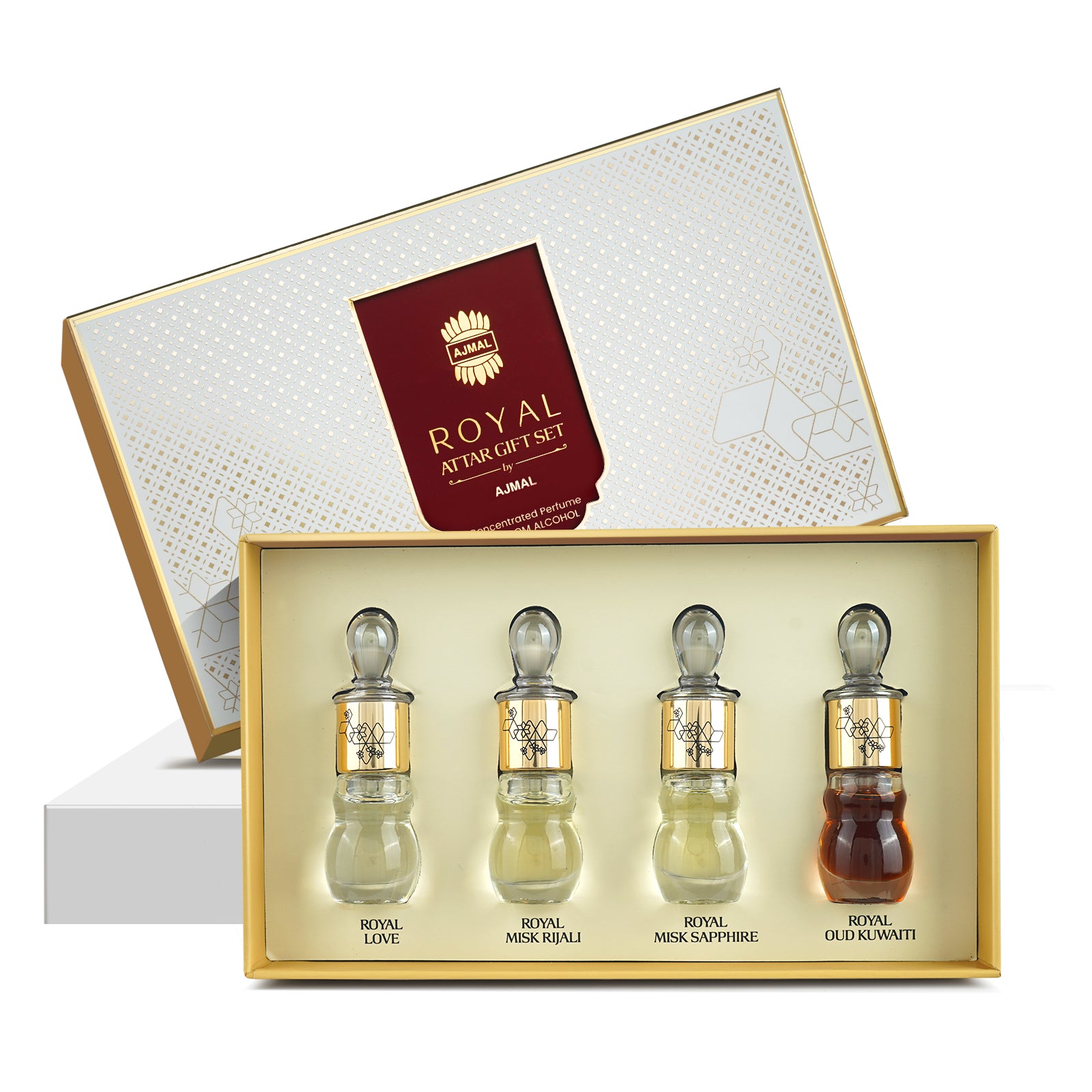
This guide is your invitation into that world: how to choose, where to apply, how to layer, and how to understand what you are wearing when you wear attar. And at the heart of this tradition, carrying its heritage forward with an uncompromising commitment to authenticity stands Ajmal, one of the oldest and most revered names in the art of Arabian perfumery, whose attars remain a living bridge between the grandeur of the past and the discernment of the present.
What Is Attar, And Why Is It Different?
The word attar comes from the Arabic 'itr, meaning essence and that is precisely what it is. Through an ancient process of hydro distillation, aromatic compounds from flowers, woods, resins, and roots are extracted and absorbed into a base of sandalwood oil, creating a concentrate that is alcohol free, undiluted, and extraordinarily complex. No shortcuts. No synthetics. Just the raw material, patiently transformed.
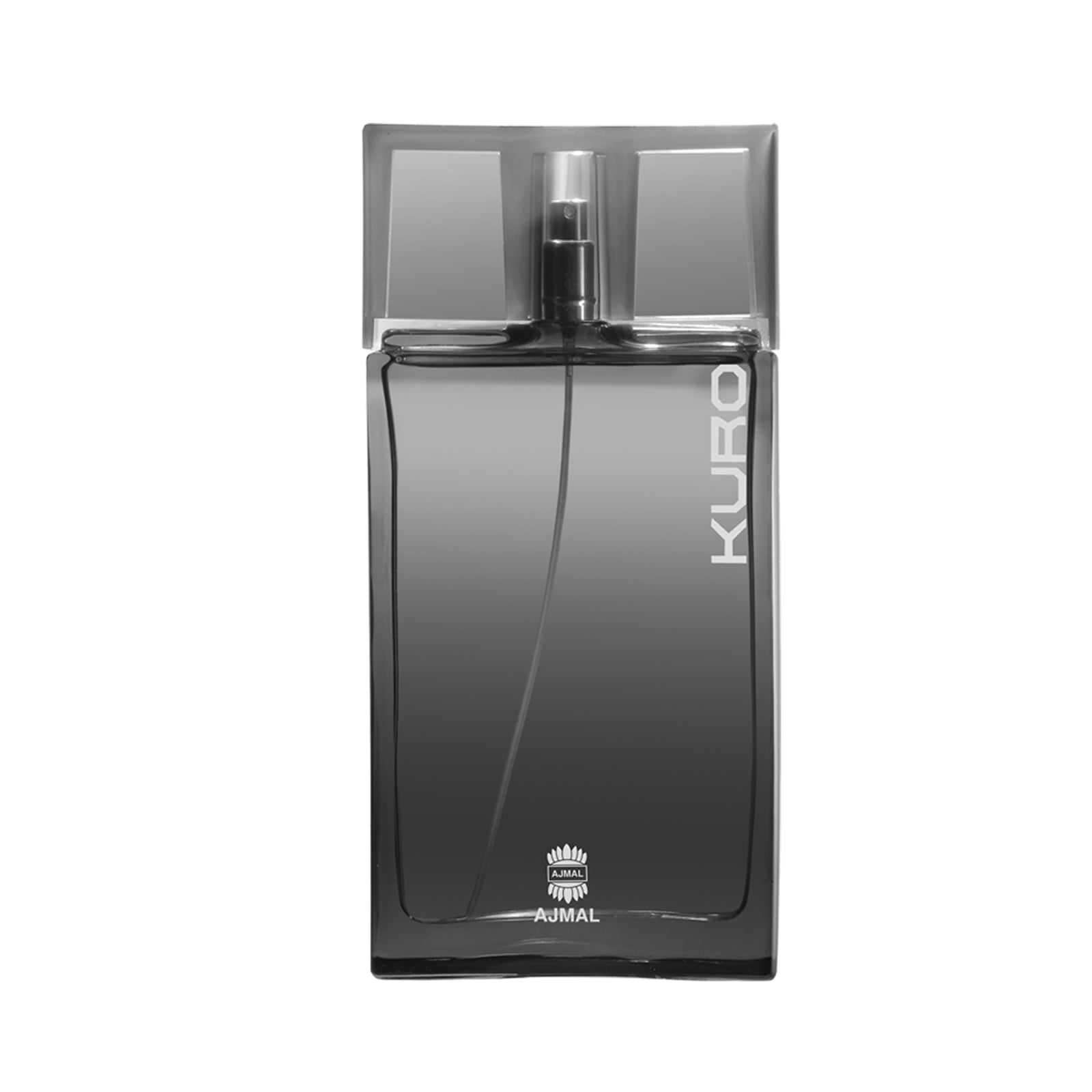
This is where attar diverges completely from modern perfumery. Commercial fragrances project loudly and fade quickly, carried on alcohol that evaporates within hours. Attar does neither. Applied to warm skin, it melds with your body chemistry and radiates slowly outward deepening across the day from something bright and aromatic into something woodier, richer, and more intimate. The same attar will smell subtly different on every person who wears it. That is not a quirk; it is the point.
And the ingredients themselves tell the difference. Real oud from Aquilaria heartwood. Rose distilled from thousands of hand picked blooms. Sandalwood from the groves of Mysore. At the finest level, there are no approximations. Wearing attar is not simply choosing a scent it is stepping into a practice that has dressed emperors and poets for centuries.
The Art Of Application: Where And How To Wear Attar
Because attar is an oil, not a spray, the way you apply it changes everything. A single misplaced drop can be overwhelming; a thoughtfully placed one can last all day and leave a quiet trail that draws people imperceptibly closer. The difference lies almost entirely in technique.
-
Start With Your Pulse Points
These are the areas where blood vessels run closest to the surface of the skin, generating warmth that gently activates and diffuses the attar throughout the day. The inner wrists, the hollow of the throat, behind the ears, the inner elbow, and the back of the knees are your primary canvas. Warm skin is to attar what a flame is to incense without it, the full character of the fragrance simply does not open.
-
Less Is More And This Cannot Be Overstated
Attar is concentrated in a way that most people raised on spray perfumes are entirely unprepared for. A single dab the size of a match head is sufficient for one pulse point. Two or three points of application for a full day's wear is all you need. The instinct to apply more is almost always a mistake: attar at excess does not smell richer, it smells suffocating. Begin conservatively, wait twenty minutes for the oil to settle into your skin, and only then decide whether you want more.
-
Apply With The Stopper, Not Your Fingers
Most attar bottles come with a glass or wooden stopper that doubles as an applicator. Tilt the bottle gently until the stopper is coated, then press, do not rub it against the skin. Rubbing breaks down the molecular structure of the fragrance and collapses the top notes before they have a chance to breathe. Press, hold for a moment, and let the oil absorb naturally.
-
Moisturised Skin Holds Attar Significantly Longer
If your skin is dry, the oil has little to anchor itself to and will fade within a couple of hours. Apply an unscented moisturiser or a light layer of raw shea butter to your pulse points a few minutes before your attar, and the difference in longevity will be immediate and noticeable.
-
Applying Attar To Your Clothing With Caution
Unlike alcohol based fragrances, which evaporate cleanly, oils can leave permanent stains on delicate fabrics. On sturdier textiles the inside collar of a cotton shirt, the cuff of a thobe or sherwani a careful dab can extend the scent beautifully and create a subtle ambient presence around you as you move. But test on an inconspicuous area first, always.
Layering Attars: Building a Scent That Is Entirely Your Own
One of the most quietly thrilling aspects of attar culture is the tradition of layering, the practice of combining two or more attars to create a fragrance that exists nowhere else in the world, worn by no one else, and belonging entirely to you. In the courts of the Mughals, personal blends were considered a mark of sophistication, as individual as a signature and as guarded as one. That tradition is not only alive today; it is one of the most rewarding ways to engage with attar.
-
Understand The Structure Before You Layer
Every attar has a character that sits somewhere on a spectrum: fresh and green at one end, deep and animalic at the other. Light florals like rose, jasmine, and mogra sit toward the top. Spiced and resinous attars like amber, musk, and oud anchor the base. A well-layered combination almost always pairs something from the lighter register with something from the heavier one, allowing the two to work in counterpoint rather than compete. Layering two heavy ouds or two sharp greens produces density, not complexity.
-
Apply The Heavier Attar First
The base note, whether oud, sandalwood, or amber, goes on skin first, at the pulse points. Give it five minutes to settle and begin its opening. Then apply the lighter attar over or near the same points. The warmth from the first application will gently lift the second, and the two will begin to intertwine in a way that no pre-blended fragrance can quite replicate, because the blending happens on your skin, shaped by your own chemistry.
-
Start With Two, Master The Pair, Then Explore
The temptation when first discovering layering is to combine everything at once. Resist it. Choose one pairing, perhaps a clean rose attar over a warm sandalwood base, and wear it consistently for a week. Learn how it opens on you in the morning, how it shifts by afternoon, how it finishes by evening. Only once you truly know a pairing should you introduce a third element. Complexity built slowly is complexity you can control.
-
Some Classic Pairings To Begin With
Rose over oud is the great archetype, romantic, opulent, and instantly recognisable as the signature of the Gulf and the subcontinent. Musk under jasmine gives something softer and more powdery, with a warmth that feels almost skin-like. Sandalwood beneath a green or herbal attar grounds it and gives it staying power without tipping it into heaviness. These are starting points, not rules. The entire pleasure of layering is that the only authority on what works is your own skin.
Choosing The Right Attar For The Right Moment
Attar is not one-size-fits-all, and part of wearing it with confidence is understanding that different compositions belong to different contexts. Just as you would not wear the same clothes to a wedding and a morning walk, the attar you reach for should be shaped by the time of day, the season, the occasion, and the mood you wish to inhabit.
-
Time Of Day Matters More Than Most People Realise
Mornings call for something lighter and cleaner: green attars, fresh florals, or delicate musks that sit close to the skin and feel like a quiet beginning rather than a statement. As the day moves toward evening, the skin warms and heavier compositions come into their own. Oud, amber, and resinous attars were practically designed for candlelight and conversation. Wearing a thick oud in the morning is not wrong, but it is the olfactory equivalent of arriving overdressed.
-
Seasons Are Equally Important
In summer, heat amplifies everything, and a heavy attar applied generously in humid weather can become genuinely oppressive. Lean toward lighter, fresher compositions in the warmer months, and apply even more sparingly than usual. Winter is the natural home of the deep and resinous: sandalwood, oud, amber, and spiced florals all open beautifully in cold air, gaining a richness and radiance that summer simply will not allow them.
-
For formal occasions
Reach for the classics. Rose oud is never wrong at a wedding, a celebration, or anywhere that calls for quiet grandeur. A well-chosen musk works beautifully in professional settings, present enough to be noticed, restrained enough never to intrude. For intimate occasions, the deeper and more animalic compositions come into their own, attars that are not designed for a room but for a conversation at close range.
-
For Everyday Wear
Simplicity is a virtue. A single clean attar, applied with a light hand to two pulse points, is infinitely more elegant than an ambitious layered composition that shifts unpredictably through the day. Save the complexity for moments that deserve it. On an ordinary Tuesday, a beautifully chosen sandalwood or a single floral is more than enough to carry you through with grace.
The Master’s Checklist
A quick reference to carry everything together. Return to this whenever you need a reminder of the essentials.
Before You Apply
- Moisturise pulse points first
- Choose your attar based on time of day, season and occasion
- If layering, decide your combination before you begin
Application
- Use the stopper or a clean fingertip
- Press, never rub
- Heaviest attar first, wait five minutes, lighter attar second
- Two to three pulse points maximum
- One small dab per point. Less is always more
The Golden Rules
- Warm skin activates. Cold skin mutes
- Moisturised skin holds longer than dry skin
- Never judge an attar in the first twenty minutes
- The same attar smells different on everyone. Trust your skin
Layering
- Base first, floral or fresh note second
- Master two before adding a third
- Rose over oud. Musk under jasmine. Sandalwood under anything green
Occasion
- Morning and work: light florals, clean musks
- Evening and formal: oud, amber, rose oud
- Summer: lighter and less
- Winter: richer and deeper
Storage
- Away from sunlight and heat
- Stopper sealed, stored upright
- Never in a bathroom
Conclusion
Wearing attar is more than applying a fragrance it is embracing a timeless tradition rooted in craftsmanship, culture, and personal expression. Unlike conventional perfumes, attar unfolds gradually, blending with your skin to create a scent experience that is uniquely your own. By applying it thoughtfully, choosing compositions that suit the occasion, and exploring the art of layering, you can unlock the true depth and elegance of these precious oils.
Whether you prefer the freshness of florals, the warmth of sandalwood, or the richness of oud, the secret lies in patience, moderation, and understanding how attar evolves throughout the day. When worn correctly, attar becomes more than a scent; it becomes a signature, leaving a lasting impression that is subtle, sophisticated, and deeply personal. As a fragrance tradition cherished for centuries, attar continues to offer a refined alternative to modern perfumery one that celebrates authenticity, individuality, and the enduring beauty of natural aromas.