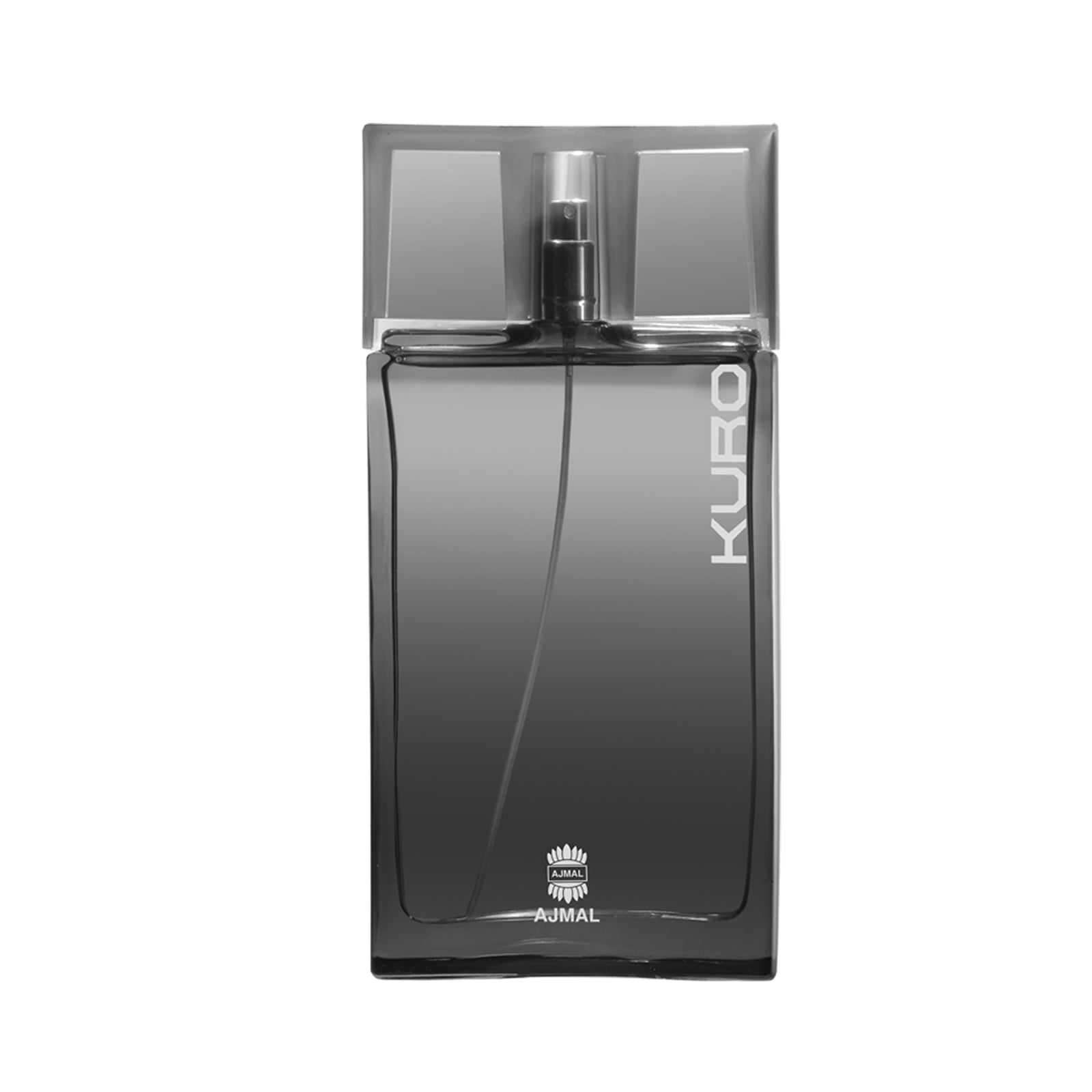
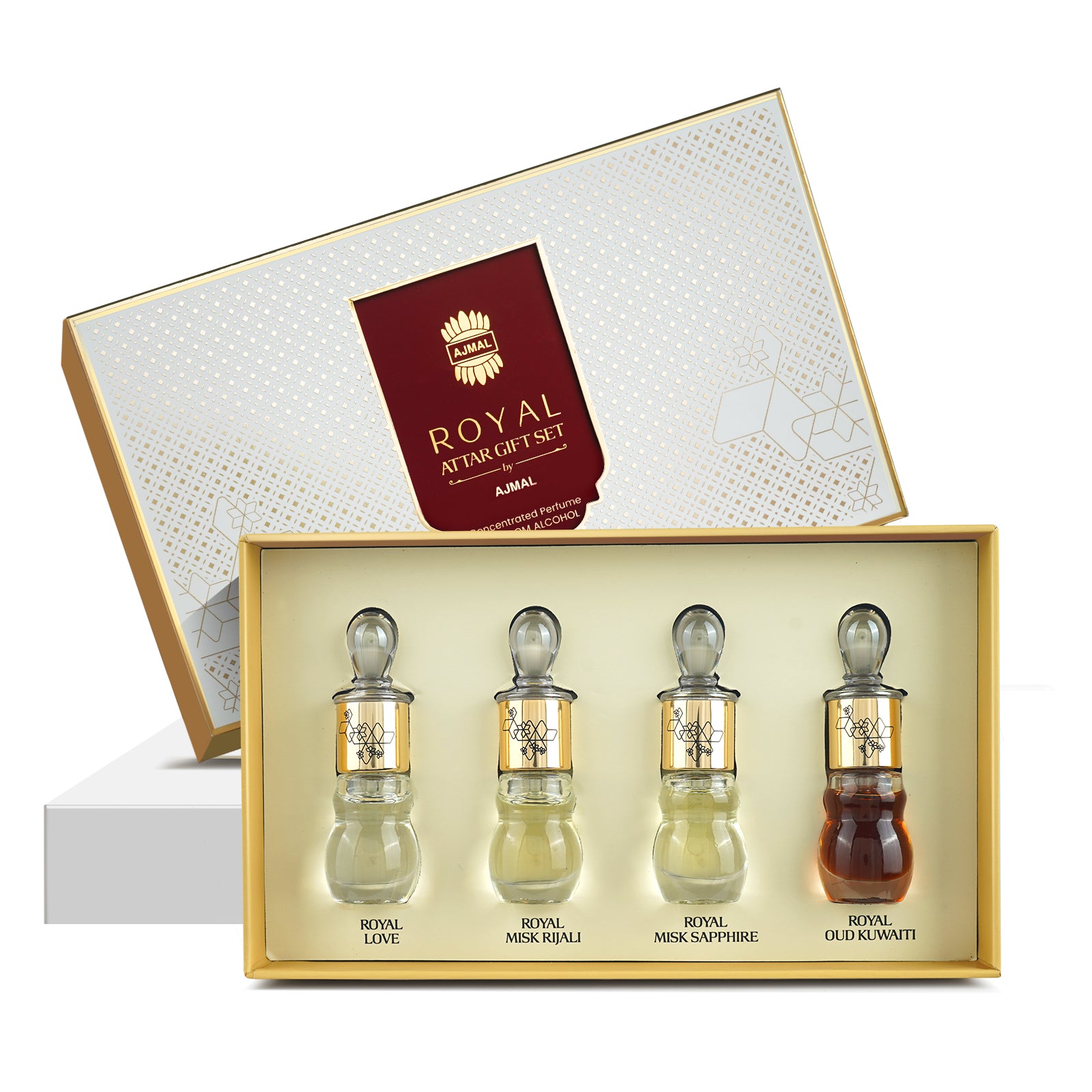
Did you know some perfumes contain ingredients you would never expect? Imagine applying your luxury perfume without realising that a part of it may have originally come from a whale or a rare tree hidden deep inside tropical forests. While many animal-derived ingredients are no longer used today because modern perfumery mostly avoids harming animals, their historic presence shows how exotic and rare perfume materials can be.
Perfume is often called liquid luxury, and for a good reason. Some ingredients inside a tiny bottle are actually more expensive than gold. They take years to form, require difficult harvesting, or appear only under very rare natural conditions. They range from ambergris derived from whales to the most unexpected parts of a civet cat. Sounds surprising, but they probably smell amazing too. Ajmal Perfumes India has carefully worked with these precious ingredients for decades, crafting fragrances that carry the true essence of luxury.
Top 10 Most Expensive Perfume Ingredients
Ajmal Perfumes continues to inspire fragrance enthusiasts by blending some of these rare ingredients into iconic scents. Below is the most detailed and easy-to-understand list of the world’s most expensive perfume ingredients, along with their origins, uses, and the reasons behind their high cost.
1) Oud (Agarwood)
Oud is widely known as the king of expensive perfume ingredients. It forms only when Aquilaria trees become infected and produce a dark resin as a defence response. This resin is extremely rare because only a small percentage of trees develop it naturally. Extracting pure oud oil requires careful distillation and extremely low yield. Oud smells woody, smoky, earthy, and deeply sensual. It is a favourite base note in Middle Eastern and niche perfumery. High demand, slow formation, and limited sources make it costlier than gold in many markets.
Cost: ~₹ 5-8 lakh per kg
2) Orris Root (Iris)
Orris root is one of the most labour-intensive perfume ingredients. After harvesting the iris rhizomes, perfumers must dry and age them for two to three years before extraction. This long ageing process concentrates the natural butter inside the root, which produces a soft, powdery, violet-like aroma that elevates luxury floral perfumes. Orris is extremely low yield, and the global supply is limited, making it one of the rarest materials in a perfume ingredients list.
Cost: ~₹67–90 lakh per kg
3) Ambergris
Ambergris is a naturally occurring marine substance that forms inside sperm whales and later floats on the ocean until it ages and hardens. It smells warm, sweet, salty, and slightly animalic, but its true value lies in performance. Ambergris is one of the strongest natural fixatives and boosts the longevity and projection of a perfume. Because it is found by chance and not produced intentionally, genuine ambergris is extremely rare and very expensive, and currently it's prohibited.
Cost: ~₹9–45 lakh per kg
4) Bulgarian Rose (Rosa Damascena)
Bulgarian rose is one of the most expensive floral oils. Millions of petals must be collected at sunrise because the flower loses its aroma as the day progresses.
These petals are steam-distilled in small batches, producing a luxurious oil with a rich, fresh, and slightly spicy rose scent. The oil is used in high-end perfumery and adds a natural depth that synthetic rose cannot match.
Cost: Price varies widely depending on origin and quality
5) Jasmine Absolute
Jasmine is called the queen of flowers in perfumery. Each flower must be hand-picked at night when its aroma is strongest. To produce a small amount of jasmine absolute, thousands of blossoms are required. The extraction process is delicate and expensive, resulting in a lush, warm floral note that enhances almost every perfume family, from oriental to modern fruity florals.
Cost: Price varies, as high-quality absolute can be extremely expensive
6) Saffron
Saffron is often described as 'red gold' because each flower contains only three tiny stigmas. These must be hand-collected and dried immediately, making saffron one of the most labour-heavy ingredients. In perfumery, saffron adds a leathery, smoky, warm note that pairs beautifully with oud, amber, and spice-based perfumes.
Cost: Price varies depending on extraction and purity
7) Natural Musk (Historical)
Natural musk comes from the musk deer and is now highly restricted for ethical and environmental reasons. Before the restrictions, natural musk was one of the rarest materials on earth. It produced a warm, sensual, animalic aroma that added depth and smoothness to any blend. Today, perfumers use safe and sustainable synthetic musks that recreate the softness of natural musk without harming wildlife.
Cost: Historically very high; modern synthetic alternatives widely used
8) Sandalwood
True sandalwood oil comes from mature Santalum trees that take decades to develop the aromatic heartwood.
Its scent is creamy, woody, milky, and long-lasting. Because of overharvesting in the past, natural sandalwood has become rarer, and strict regulations protect it. Sandalwood remains a signature base note in many Indian and Middle Eastern perfumes.
Cost: Price varies as premium Mysore sandalwood oil is highly expensive
9) Tuberose Absolute
Tuberose is one of the most intense and sensual flowers used in perfumery.
It blooms at night and must be harvested quickly to preserve its intoxicating scent. Producing tuberose absolute requires careful solvent extraction, making it expensive. The aroma is creamy, floral, slightly fruity, and extremely powerful, often used in luxury nighttime perfumes.
Cost: Price varies depending on grade and purity
10) Civet (Historical / Traditional Use)
Civet is derived from the glandular secretion of the civet cat and was historically used in perfumery for its strong, animalic, and long lasting aroma. Although natural civet is rarely used today due to ethical and wildlife protection reasons, it remains famous as one of the rarest perfume ingredients in history. Modern perfumery uses synthetic alternatives to replicate its unique scent without harming animals.
Cost: Historical natural civet estimated at ~₹2–5 lakh per kg; synthetic civet widely used today
Conclusion
While the exact prices of these perfume ingredients may vary from year to year, one thing never changes: they’re some of the most expensive and rare materials ever used in perfumery. Many of the historic animal-based ingredients, like natural musk or civet, are barely used today due to cruelty-free norms and ethical sourcing.
What remains, however, is the artistry of extracting beauty from rare woods, delicate flowers, deep resins, and nature’s most unpredictable creations. And if there’s one brand that still understands how to work with these precious ingredients responsibly, it’s Ajmal Perfumes, bringing luxury perfumery to your dressing table.
FAQs
1. Is ambergris legal and still used today?
Yes, ambergris is legal in many countries because it’s naturally expelled by whales and collected after floating in the ocean. It’s used in very small quantities because it’s incredibly rare and expensive.
2. Do perfumes still use animal-derived ingredients like civet or natural musk?
Most modern brands avoid these ingredients due to cruelty-free norms. Today, synthetic and plant-based alternatives are used to replicate the same scents ethically.
3. Why is oud so expensive?
Because only a tiny percentage of Aquilaria trees naturally produce oud resin, and it takes years to form. The harvesting and distillation process is also slow and complex.
4. What’s the difference between synthetic and natural ingredients in perfumes?
Natural ingredients offer depth and complexity but are expensive and limited. Synthetics help replicate scents ethically, improve stability, and keep perfumes affordable.
5. Is ambergris safe to wear on skin?
Yes, it’s safe when used in perfumery. It’s mainly a fixative that enhances longevity and projection, not something applied in direct raw form.
6. Why do luxury perfumes last longer?
Because they often contain high-quality natural ingredients like oud, ambergris, sandalwood, orris butter, and rich floral absolutes, all of which improve performance.